
By Bridget Bentley, General Manager - Community Impact at Bendigo Foodshare
Food is something most of us think about every day, but for a growing number of people across the Loddon Campaspe region, accessing enough healthy food is becoming increasingly difficult.
Food insecurity occurs when people do not have reliable access to enough safe, nutritious and affordable food. It is often associated with low income, but the reality is much broader. Rising housing costs, energy bills, transport expenses, health costs and unexpected life events are putting pressure on households from all walks of life.
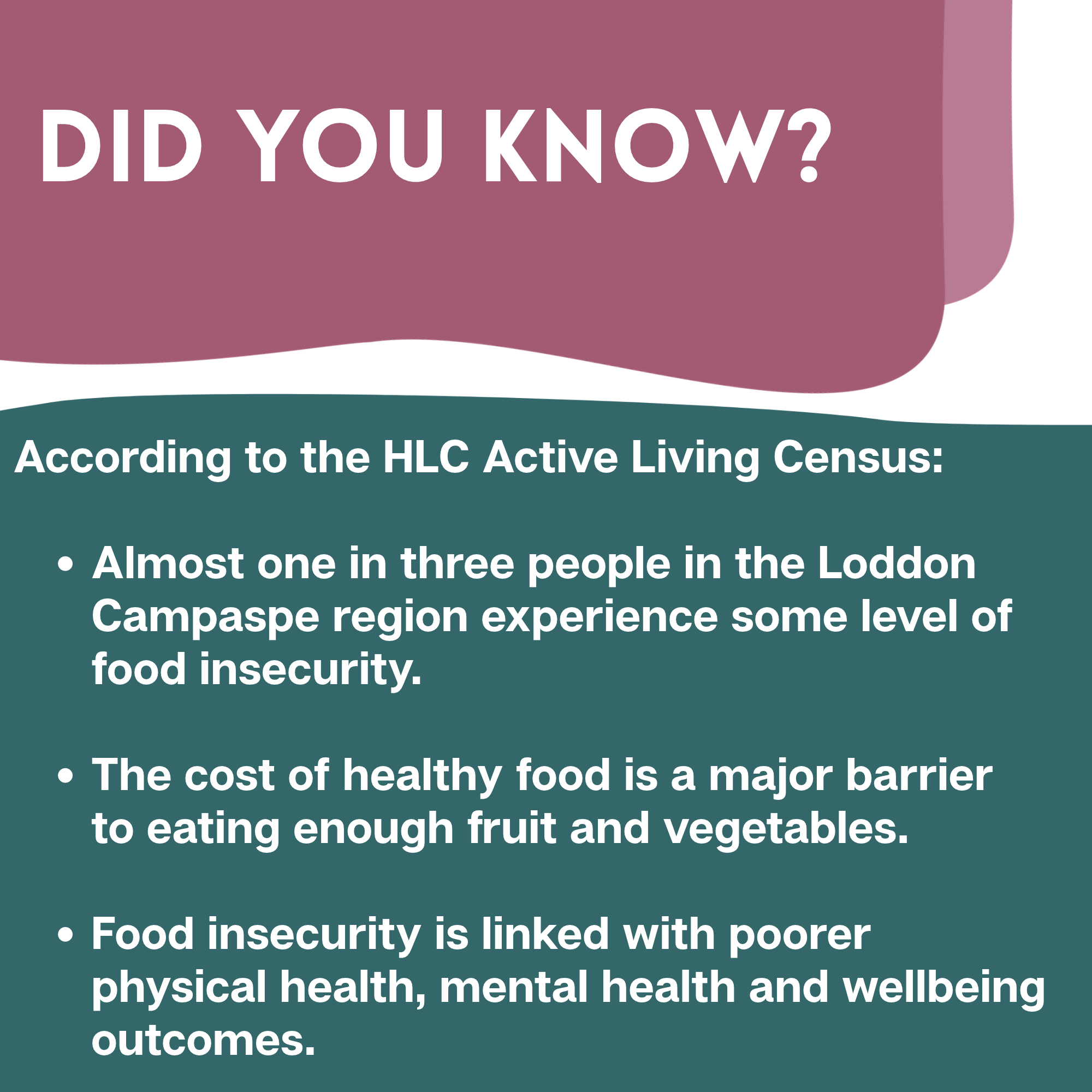
The latest Healthy Loddon Campaspe Active Living Census (ALC) found that almost one in three people across the region experience some level of food insecurity. The Census also found that the cost of healthy food is a significant barrier to eating enough fruit and vegetables, with very few people meeting the recommended daily intake guidelines. These findings paint a concerning picture of both access to food and long-term health outcomes across our communities.
What We're Seeing on the Ground
At Bendigo Foodshare, food insecurity is one of the most significant and rapidly growing challenges we are seeing.
Our network now supports 17,236 people each week through over 100 food relief partners (including schools and childcare centres, community and neighbourhood houses, charities, and small community groups) across Central Victoria. Demand for food support has grown substantially in recent years, reflecting the cost-of-living pressures many households are experiencing.
Importantly, the people seeking support are not always who many might expect.
We are increasingly seeing working families, students, older adults, people living with disability and those experiencing temporary financial hardship needing assistance. Many are making difficult choices between paying rent, keeping the lights on, attending medical appointments or purchasing groceries.
For some people, food insecurity may last only a short time following a job loss, illness or unexpected expense. For others, it can be an ongoing challenge linked to chronic health conditions, low incomes, limited transport options or social isolation.
More Than an Empty Pantry
Food insecurity affects much more than what is on the dinner table.
The Healthy Loddon Campaspe Active Living Census has highlighted strong links between food insecurity and poorer physical and mental health outcomes. People experiencing food insecurity are more likely to report poorer overall health and wellbeing, lower fruit and vegetable consumption, and greater challenges participating fully in community life.
Food is fundamental to health, but it is also central to family life, culture, learning and social connection. When people are unable to access enough nutritious food, the impacts can be felt across many areas of life.
Children may struggle to concentrate at school. Adults may find it more difficult to manage chronic health conditions. Families may become increasingly isolated as the cost of social activities and shared meals becomes unaffordable.
Support is Available
If you or someone you know is struggling to access food, support is available throughout the Loddon Campaspe region.
Bendigo Foodshare works with local food relief agencies, neighbourhood houses, community centres, churches and welfare organisations to provide emergency food assistance and connect people with broader support services.
People seeking food assistance can find information about local food relief options through the Bendigo Foodshare website: https://bendigofoodshare.org.au/access-food-relief/.
Many communities also offer community meals, community gardens, cooking programs and food literacy activities that help build practical skills, confidence and social connection.
Importantly, seeking help is not something to be ashamed of. Food insecurity is often driven by circumstances beyond an individual's control, and support services exist to help people through difficult times.
Building Long-Term Food Security
While food relief remains an essential part of the response, it is only one piece of the puzzle.
Addressing food insecurity requires a longer-term focus on prevention and resilience. This includes supporting local food production, improving food literacy, increasing access to affordable healthy food and creating opportunities for people to develop the skills and confidence to grow, prepare and share food.
Across the Loddon Campaspe region, communities, health services, councils, schools and local organisations are working together to strengthen local food systems and create healthier environments where everyone has the opportunity to eat well.
What You Can Do
Small actions can make a meaningful difference:
- Check in on family, friends or neighbours who may be doing it tough.
- Support local food relief and community food initiatives.
- Reduce food waste at home.
- Learn simple cooking and meal-planning skills.
- Grow herbs, vegetables or fruit if you have the opportunity.
- Participate in community gardens, food swaps or local food projects.
- Volunteer at Bendigo Foodshare or your local food relief partner.
Food insecurity is a complex issue, but it is one we can address together.
By recognising the challenges people face, reducing stigma and supporting practical solutions, we can help ensure everyone in the Loddon Campaspe region has access to healthy food and the opportunity to live a healthy, connected and fulfilling life.
Need help accessing food? Visit Bendigo Foodshare's Access Food Relief page to find services and support available in your area: https://bendigofoodshare.org.au/access-food-relief/