
This Men’s Health Month, we’re celebrating the everyday efforts men make to stay well!
2025 Active Living Census data shows that men living in the Loddon Campaspe region are less likely than women to meet the national guidelines for vegetable consumption (6% of men compared to 11% of women) and water intake (19% of men compared to 40% of women). Men are also more likely to be classified as overweight or obese (70% of men compared to 62% of women) and engage in risk taking behaviours such as consuming risky amounts of alcohol (64% of men compared to 53% of women) and engaging in gambling during the past year (41% of men compared to 29% of women).
But what does health really look like in everyday life?
We spoke to local men from across the region to hear how they stay active, manage stress, eat well despite busy jobs, build healthy routines, and support their own wellbeing. Their insights are honest, practical, and inspiring, showing that health isn’t about perfection, but about making small, consistent choices that add up over time.
From trail runs and lawn bowls to meal prep and mental health check-ins, here’s what they had to say about what keeps them healthy, and what advice they’d give to others.
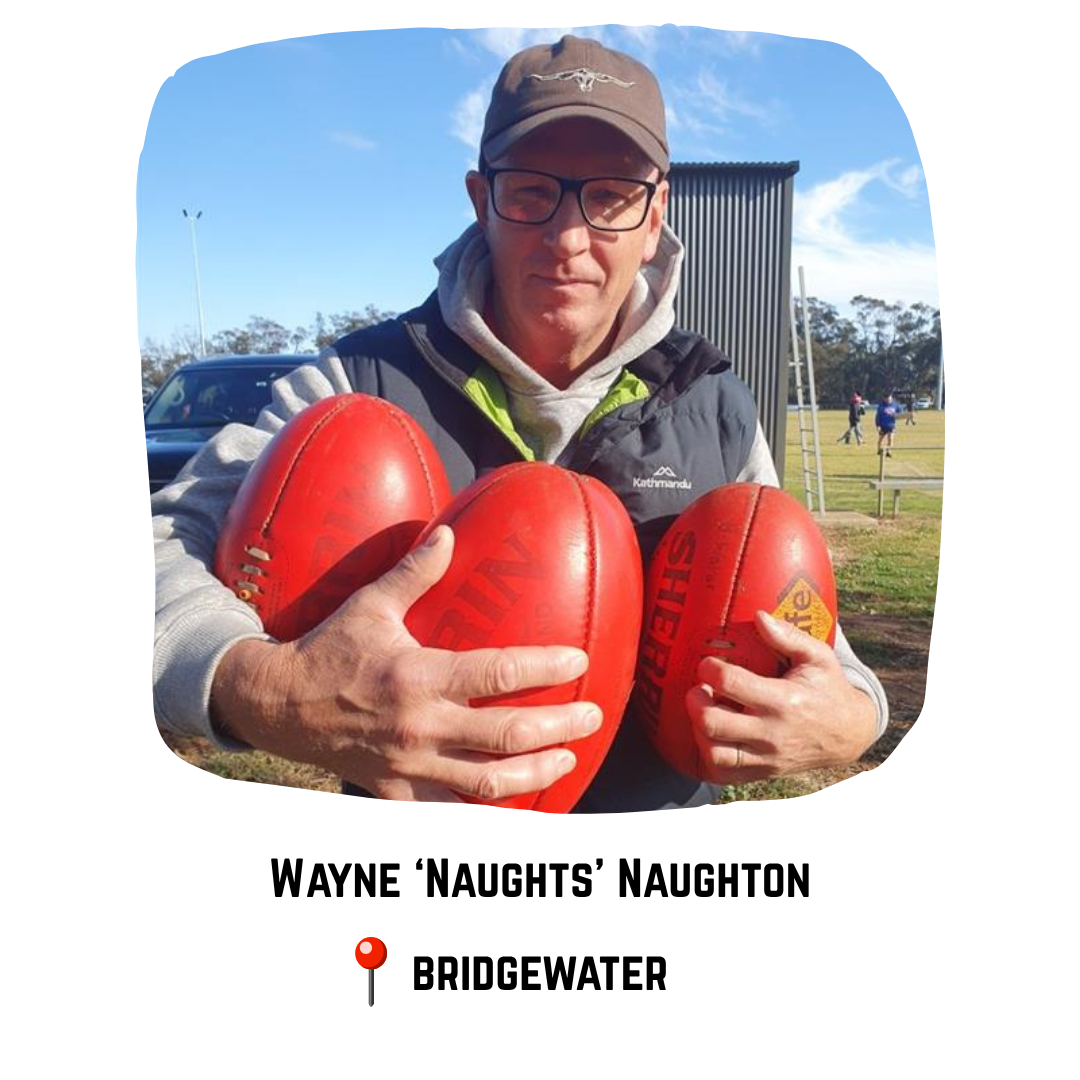
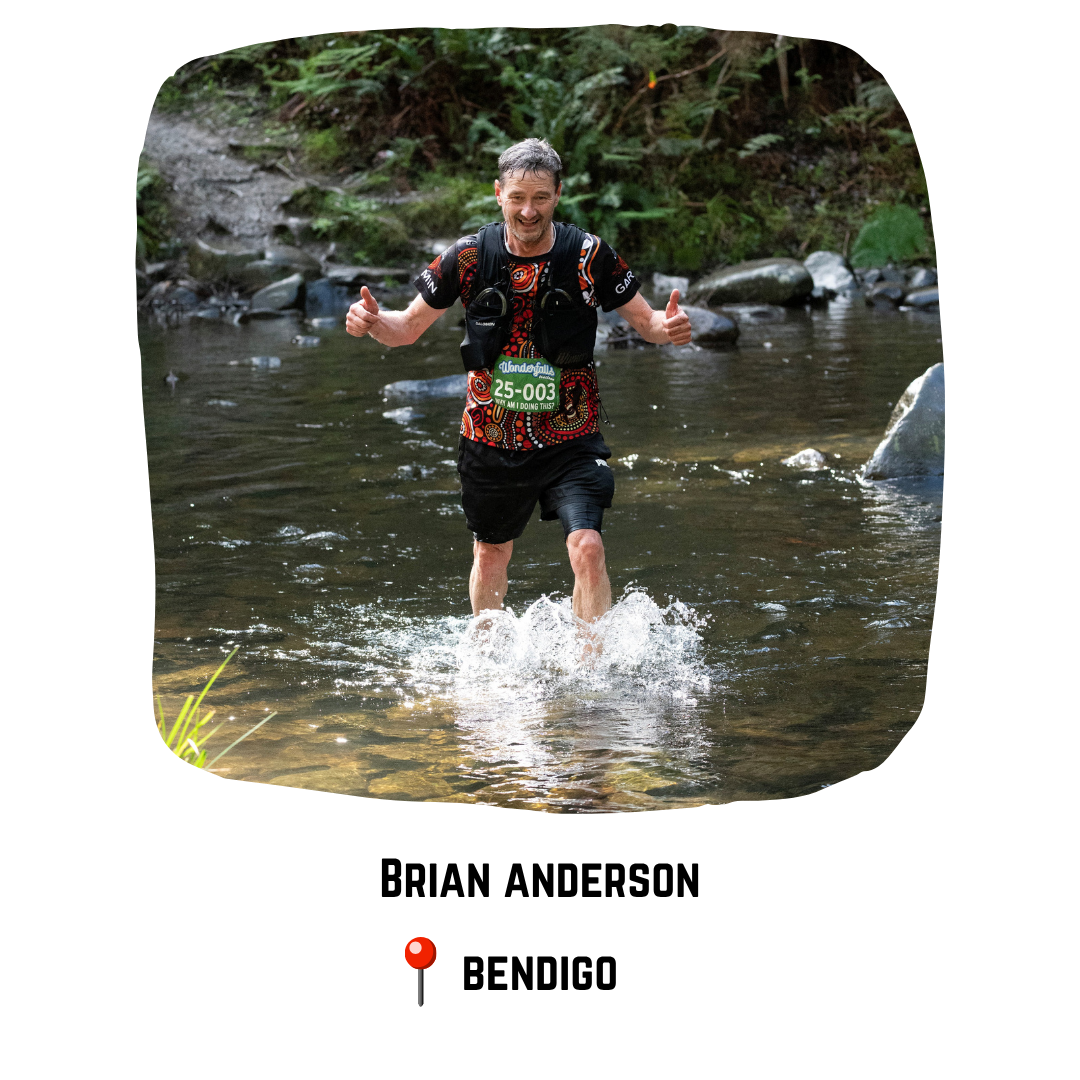
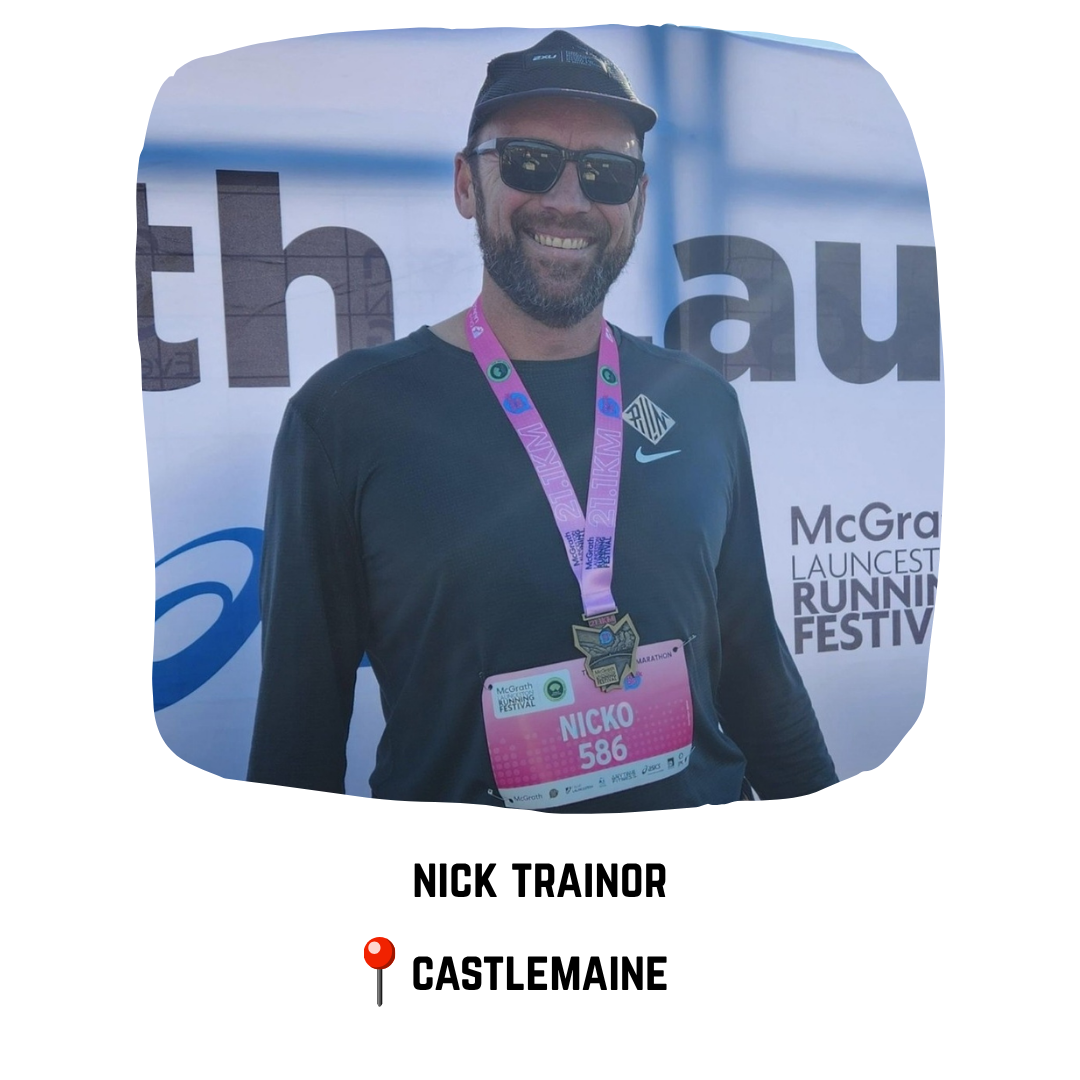
How do you stay physically active and what motivates you to keep moving?
‘My job involves me being on my feet all day, with lots of walking, lifting and bending down. I also play lawn bowls, and whilst not over punishing, the sport keeps me active and moving. I am motivated to keep moving as it helps me to undertake not only my job well, but also other activities I enjoy.’ - Naughts
‘I enter fun runs, mostly trail runs. Most of these runs are half marathon distance (21km). I have been lucky enough to run in some wonderful places and see wonderful sites. As most of these runs are away from home, my running friends and I make a weekend of it and stay away two nights. I also go to an outdoor group fitness training session three times a week.’ - Brian
‘I train three to four days a week, mixing strength training with running. For me, training is more than just physical, it’s about having structure and discipline that carries over into every other area of life.
You won’t always feel motivated 24/7, and there will be times that are tough. It’s about learning to ride the waves of motivation, relying on discipline when motivation is low, and really riding the wave when motivation is high to reap the rewards.’ - Russell
‘My motivation comes from my children! I want to be an active parent to them, and looking to the future, I want to be an active and involved grandparent when that time comes! I want them to see me be involved in their sports, see me challenging myself, pushing myself and making smart choices when it comes to “work/life” balance.’ - Nick
What are your go-to strategies for managing stress?
‘Indulge in things that make me feel good.’ - Naughts
‘Well that depends on what is causing the stress. Sometimes I go for run if I need to think, rest on the couch and listen to music, or get into the kitchen and do some baking.’ - Brian
‘Movement and routine are my biggest tools. Whether it’s getting outside for a run or sticking to my morning routine, those habits keep my head clear. I also make time to switch off, that might mean getting away from screens, catching up with mates, or spending time with my partner.’ - Russell
‘I have worked a lot on this over the years after I suffered from a nervous breakdown about 7 years ago, attributed to workplace burn out – so I now use a variety of techniques built up through reading or listening to podcasts on mental health. So depending on where the stress has come from, I either listen to a relevant podcast, use meditation techniques, or sport as an outlet – particularly trail running or hiking/dog walking - connecting back with nature. I find the release of endorphins I get while running helps me when I can feel a build up of tension, but if it’s “quick stress/anxiety” then I use my meditation techniques to either focus on my breathing or a mantra to bring me back to the moment and begin to relax and calm myself.’ - Nick
What does “looking after yourself” mean to you?
‘Ensuring that I make good choices that helps me to live a long and happy life.’ - Naughts
‘To me it’s about trying to stay fit (try not have another heart attack), eat good fresh meals, and limited drinking. Also catching up with friends who you can talk about your life issues with and listen to them. A couple of friends and I catch up every Tuesday night over a coffee or hot chocolate to talk about our week, our life, family. We call it our “Cone of Silence” anything shared between us stays within the group.’ - Brian
‘It’s balance. Training hard is important, but so is recovery, sleep, and doing things that genuinely make you happy. I think a lot of men overlook that side, and rest and downtime are just as important for performance as the hours you spend in the gym. There’s a lot of stigma around being the hardest worker in the room or the “provider” for the family, but as the saying goes, you can’t pour from an empty cup. It’s something that often gets thrown around in a female context, but blokes need to hear it too.’ - Russell
‘For me, it begins with me, I have an amazing, loving wife who has supported me on my journey, and I believe that if I am not 100% then I can’t give 100% to her and our children. I try to make sure I have looked after myself through exercise or socialising, so that I can then be the husband and father I want to be – whether this is a long run, team sport or a hike with the family or friends, it then helps me relax and focus on what is important. My wife and I gave up alcohol about 4.5 years ago, this was primarily a health decision as I had seen what it had done to my family and wanted to change that cycle for our children, and since then, my fitness, energy, decision making and mental health have improved considerably.’ - Nick
What are your tips for eating well when your job makes it hard?
‘Make sure I have a balanced breakfast and only pack items in my lunchbox that I know are good for me.’ - Naughts
‘I try to prepare meals for the week, usually on Sunday afternoon. This way when I get home, it’s there ready to cook, I don’t have to take the easy way out and go and buy takeaway or something.’ - Brian
‘Preparation is key. People often say their job makes it hard to eat well, but it usually comes down to not preparing for the demands of that role. For example, we work with a lot of shift workers who struggle with nutrition because they haven’t planned what and when they’ll eat. If you work long hours, the best thing you can do is meal prep, cook everything up on a Sunday so you’re set for the week. When you’re finishing a 12-hour shift, the last thing you’ll want to do is cook, and that’s when people reach for the easy option, a drive-thru or the servo. Having meals ready to go takes that decision-making out of the equation.’ - Russell
‘I’ll be honest, I do struggle here (like most busy working parents I guess!) and I can definitely yo-yo a bit and I am still trying to find that happy balance between diet and donut! When I am 100% focused, I can abstain from bad foods, but when that focus slips a little, I can find myself in a drive thru way too easily. I commute into Melbourne 3 days a week, so I prepare overnight oats for the train and try to choose healthy choices at our work café, but if I find myself in regional areas or driving for hours I need to better prepare myself with a lunch box with fruit and healthier options to resist the urge to go with convenience – but I find early preparation is key here – make the oats, pack the banana, fill the water bottle in advance, it all helps.’ - Nick
Do you have any routines or habits that help you stay healthy?
‘Get a good night’s sleep of at least 8 hours and ensure I drink plenty of water throughout the day.’ - Naughts
‘I guess preparing most of my meals on Sunday is a part of my routine, and if I feel like a snack try to stick to fruit or nuts,’ - Brian
‘Every Sunday, I plan my week ahead, both my training sessions and my meals. That way, I don’t get to the end of the week and realise I’ve missed sessions or have no plan for what to eat. Daily routines make a huge difference too, and they don’t have to be overcomplicated. You don’t need a 4am “miracle morning”. It can be as simple as going to bed at the same time each night so you can wake up feeling rested and ready to move your body before work.’ - Russell
‘Consistency is key – and as said above, still something I need to work on, but I have realised that I go from feast to famine and back again, but I have also realised I don’t need to set strava records or run marathons to be considered fit and healthy – I can walk, kick a ball with the kids, walk the dog with the wife, go to Park Run whenever the schedule allows, it doesn’t matter how big or small it is, every little bit counts (and helps!). Focus on those micro moments to build habits, and then that will grow into a habit, say yes to the gym, choose the salad over the chicken burger at the work café, put the sneakers beside the bed at night, so it’s just a bit easier in the morning to go for that run. These little choices and decisions make it easier in the long term. I found reading James Clear’s “Atomic Habits” was key to this, it really helped me build better habits (I think I better get it out again!)’ - Nick
What advice would you give other men about health and wellbeing?
‘Keeping fit is hard but being unfit is harder! And surround yourself with good people!’ - Naughts
‘It’s not easy to maintain your health and wellbeing, but you need to make the effort and make the change. I was told it takes 28 days to form a habit, and the 28 days could change your life. Also remember “It’s okay not to be okay”. Do not underestimate the importance of ‘I am not in a good place now, I need help.’ - Brian
‘Start with something achievable in the short term, but sustainable in the long term. You see a lot of fad diets and extreme challenges like 75 Hard, but instead of asking “What’s the most I can do for the next two months?”, ask “What can I do now that I’ll still be doing five years from now?”
The secret to long-term success is enjoyment. Someone once told me, “The best training program is the one you actually do.” You could have the perfect plan on paper, but if you don’t enjoy it, you won’t stick to it. So, give different forms of movement a go, gym, running, cycling, team sports, and find what you genuinely enjoy. That’s how you build habits that last.’ - Russell
‘Start small, build habits, focus on you first, then you can give to others – if you are not 100%, you can’t give to others properly. Talk to your mates about how you truly are – it’s okay to not be okay – as men, we need to be more vulnerable with this, the stigma around mental health needs to change, and it starts with us. We are so lucky in Castlemaine that we have so many free or low cost groups out there to help us with our health and fitness journey (Park Run, Rocky Riders, Thursday Bunch, Castlemaine Run Club to name a few) as well as amazing landscape to go and explore with La Larr Ba Gauwa, Mt Alexander, Botanic Gardens, Kalimna Park to help us through the tough times – go out and explore! When I first moved to Castlemaine, I joined the soccer club straight away as I knew I would find a bunch of like-minded people and find my community, now so many people from that club are our closest friends, so dust off those clubs, boots, racquets, bikes and get out there – what’s holding you back?’ - Nick